 Reviews

 Proudly American

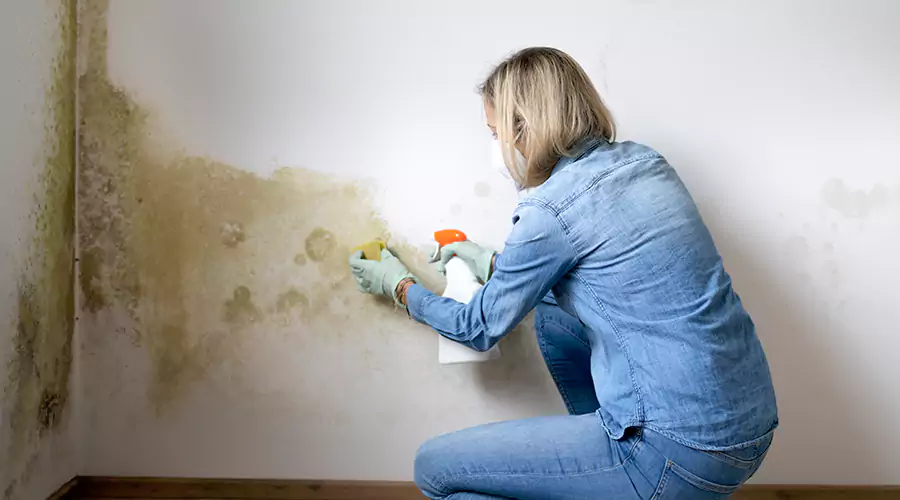
Mold remediation cost can vary widely based on the size of the affected area, where the mold is located, and how severe the contamination is. Early action often helps reduce repair costs and prevents the damage from spreading to other parts of the property, making professional water and mold remediation an important step in controlling overall expenses.
This article will cover average pricing, the main factors that affect cost, and what homeowners should expect during the remediation process.
What Mold Remediation Includes?
Inspection and Damage Assessment
Mold remediation usually starts with finding the source of moisture and checking how far the mold has spread.
Containment and Safety Measures
Crews often isolate the affected space before cleanup begins. Containment helps reduce the chance of mold spores spreading into other rooms during the remediation process.
Mold Removal and Surface Cleaning
The next step usually involves removing contaminated materials, treating affected surfaces, and cleaning the area in detail.
Drying and Moisture Control
Proper drying is one of the most important parts of remediation. Once the moisture problem is controlled, the chance of mold returning goes down significantly.
Average Mold Remediation Cost
Cost Range for Small Mold Problems
Small mold problems in a limited, easy-to-reach area often cost about $500 to $1,500 to remediate. This price range usually applies when crews can treat the mold quickly without major demolition, complex containment, or widespread material removal.
Cost Range for Medium-Sized Remediation Jobs
Medium-sized mold remediation jobs often fall in the range of about $1,300 to $3,900 for many residential projects, although costs can climb higher when mold affects more than one room or spreads into drywall, insulation, or flooring. Pricing usually increases as labor, containment, cleanup time, and material removal become more involved.
Cost Range for Large or Severe Mold Damage
Large or severe mold damage can push remediation costs to $10,000 to $30,000 or more, especially when contamination spreads through multiple rooms, reaches hidden cavities, or causes structural damage. Costs rise sharply when the project requires heavy demolition, specialty drying, HVAC cleaning, or major reconstruction after remediation.
Factors That Affect Mold Remediation Cost
Size of the Affected Area
Larger contamination zones usually require more labor, more materials, and longer project timelines. A small patch of mold is often simpler to handle.
Type of Surface or Material
The material involved can change the price quite a bit. Drywall, wood, insulation, carpet, and subflooring all respond differently to mold, and some materials must be removed and replaced instead of cleaned.
Location of the Mold
Mold inside crawl spaces, attics, HVAC systems, or behind walls usually costs more to address. These areas are harder to reach, take longer to treat, and often require more specialized cleanup methods.
Severity of Contamination
Light surface growth is usually less expensive to remediate than widespread or deeply embedded mold as it becomes more complex and costly.
Cause of Moisture Problem
Fixing the water source may add to the final project cost. If the moisture issue is not resolved, mold can come back, so proper remediation often includes both cleanup and moisture repair.
Mold Remediation Cost by Area of the Home
Basement Mold
Basements often cost more to remediate because they usually involve moisture control, hidden damage, and larger affected surfaces.
Bathroom Mold
Bathroom mold remediation can also be expensive because repeated humidity and plumbing leaks often affect walls, ceilings, and flooring.
Attic Mold
Attic mold removal can be complicated by roof leaks and poor ventilation.
Crawl Space Mold
Crawl spaces usually cost more to treat than open, easy-to-reach areas because access is limited and moisture levels are often high.
Additional Costs Homeowners Should Expect
Mold Testing or Air Sampling
Mold testing or air sampling may be optional in some cases, but it can add to the total price.
Demolition and Material Removal
Removing damaged materials can increase the overall project cost. Drywall, insulation, flooring, and cabinets may need to be taken out if mold has spread into porous materials that cannot be fully cleaned.
Repairs After Remediation
Once mold removal is complete, the affected areas often need rebuilding. That can include replacing drywall, repainting, installing new flooring, or restoring cabinets and trim, which adds to the final expense.
HVAC Cleaning or Duct Treatment
If mold has reached the HVAC system, separate cleaning or duct treatment may be needed.
DIY vs Professional Mold Remediation Cost
DIY Cleanup
Small, surface-level mold may seem manageable with basic cleaning supplies. For a very limited spot, a homeowner may spend less initially by handling the cleanup themselves instead of hiring a remediation team.
Professional Service
Professional remediation often provides better long-term value because it includes proper containment, commercial equipment, moisture detection, and a more thorough removal process. That approach lowers the chance that mold will return and can prevent the problem from spreading to other areas of the home.
Risks of Incomplete DIY Mold Cleanup
Incomplete DIY cleanup can leave behind hidden growth, create cross-contamination, and fail to address the moisture problem that caused the mold in the first place. If those issues remain, the mold may come back and end up costing more to fix later.
Signs You May Need Mold Remediation
Musty Odors
Persistent damp or musty smells often point to hidden mold growth. Even when mold is not visible, a strong odor can suggest moisture is trapped behind walls, under flooring, or in other concealed spaces.
Visible Discoloration or Staining
Dark spots, fuzzy patches, or changes in surface color on walls, ceilings, and trim can all be warning signs. These visible marks often mean mold is actively growing or that moisture has damaged the material enough to support future growth.
Ongoing Moisture Issues
Recurring leaks, condensation, and past water damage are important warning signs. If a space stays damp or has been wet before, the conditions may still be right for mold to develop or return.
Final Thoughts
Mold remediation cost depends on the size of the problem, the materials affected, and the steps needed to fully correct the issue. A small surface problem is usually less expensive, while hidden mold, damaged building materials, and moisture repair can raise the total significantly. Early action and a professional assessment can help control both damage and expense. The sooner the issue is identified and addressed, the less likely it is to spread or turn into a larger, more costly repair.